Mapping the Unknown: Balancing Safety and Exploration
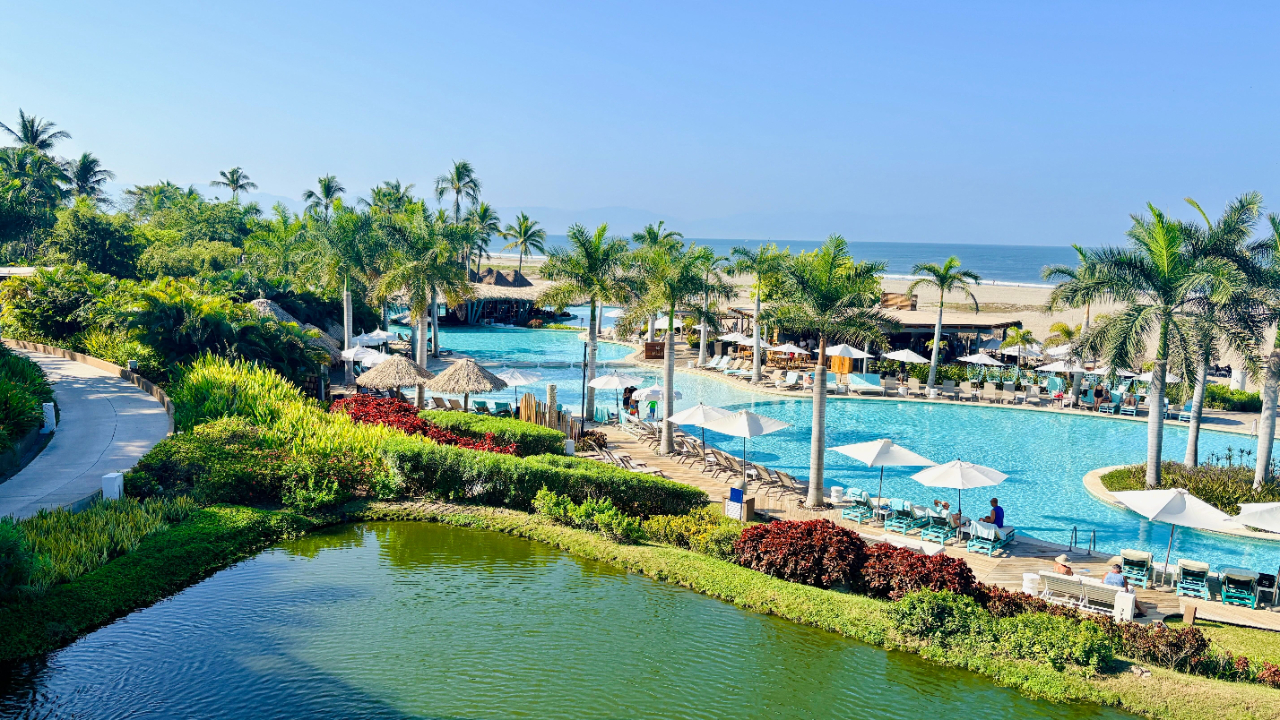
When we talk about life with food allergies and celiac disease, the conversation often centers on what we can’t do or the risks we must avoid. But there is a parallel story: one of profound resourcefulness, creativity, and resilience. I was reminded of this recently, when our vacation in Mexico abruptly shifted without warning. Due to regional violence, the entire city was placed on lockdown and our resort was shelter in place for 2 days. Roads were closed, airports were closed, businesses were closed, and no one was allowed in or out of the resort, including staff and supplies.
As an allergy mom with celiac disease, my thoughts immediately went beyond physical safety to focus on food security and availability. I was counting the safe snacks we had brought, calculating calories, and considering how many days we could make our food last. I reviewed the mental map I had created without conscious thought of what safe food options I had seen, where they were, and planned a route to quickly and efficiently source as much of that as possible. I shifted into a more risk averse mindset, knowing that this was a time to prioritize dietary familiarity and safety and not to stretch beyond our comfort zone. Our situation was uncertain and unpredictable and we had to make fast choices with limited information.
While this was an extremely unusual travel situation, it amplified what those of us living with food allergies and celiac disease already know: risk isn't an abstract concept, it is a constant, background program. This heightened state of alert isn't anxiety in the traditional, irrational sense; it is a highly tuned survival mechanism. It is a unique, ongoing burden we carry on top of life’s other stressors, and a layer of logistical and emotional labor that most people never have to think about.
It is easy to view this constant scanning as a burden, a weight we wish we could set down. There is a both/and truth here: We can be exhausted by the labor of vigilance and wish we didn't have to live with it and we can recognize that this labor has built in us a profound level of self-efficacy. The "Allergy Brain" is a master of logistical survival. It is creative, fast, and remarkably calm under pressure. We know how to pivot when the plan fails because we never truly rely on just one plan or count on things going the way they are supposed to. This capacity to handle hard things is not just a survival skill for vacation, it is a core strength we carry home with us.
The most critical part of any high-stakes event, whether it’s a lockdown in Mexico or getting through a birthday party, is the landing. Once the physical threat passes, the body often stays in survival mode. When we are in a threat situation, our sympathetic nervous system (fight/flight) is in the driver's seat. Our pupils dilate, our heart rate increases, and our digestive system slows down to divert energy to our muscles. In the food allergy world, we might stay in this state for hours or days. Once we are physically safe, we often expect our minds to simply switch off the alarm. But the body doesn't work that way. To move from survival back to safety mode, we must intentionally engage the parasympathetic nervous system (rest and digest).
Restoration isn't just "not doing anything." It is an active process of reminding the body that the threat has passed. This requires:
1. Discharging the Energy: Adrenaline that isn't used for running or fighting stays "stuck" in the body. Shaking, stretching, or even a brisk walk helps tell the nervous system that the threat is over.
2. Sensory Grounding: In a crisis, we are hyper-focused on distal threats (the door, the news, the kitchen). Restoration requires bringing the focus back to the proximal, the feeling of a heavy blanket, the warmth of a cup of tea, or the rhythm of steady breathing.
3. A Safe Harbor: We need to reconnect with our community of people with whom we feel safe and supported. Speaking the truth of the experience to those who understand the unique weight of medical vigilance acts as a social buffer, lowering cortisol levels more effectively than isolation ever could.
4. Grace for the Crash: Expect to be tired. Expect your brain to feel foggy. This isn't a sign of weakness, it is the biological price of the high-level cognitive work you just performed.
After you've experienced a stressful event or period, and taken the time to rest and recharge your nervous system, then what? We need to step back into the world and continue living our most beautiful and precious lives, knowing there is risk and unpredictability everywhere. It's not easy, but we can learn to trust our abilities to plan, prepare, pivot, and protect. We don't wait to feel fearless or have a guarantee of safety, we lean into a sense of confidence and capability in ourselves. Remember, the skills you have built managing food allergies are not just medical requirements, they are life skills. You have been training for unpredictable for years. You are resourceful and a creative problem-solver. You are a master of logistics.
***A Note on Risk and Values
It is important to acknowledge that every person and every family’s situation is different. Decisions about travel are deeply personal, informed by medical realities, individual risk tolerance, and core values. For my family, we have chosen to travel as much as possible, though we do it differently than we would otherwise. We carry additional costs and logistical weight, prioritizing accommodations with kitchens and proximity to reliable markets. Our bags are full of safe snacks and items we can use to leverage local ingredients. We view food primarily as fuel for our adventures rather than the main event. Activities are structured around food needs, as we can't rely on stopping just anywhere to grab a bite on the go. For us, the value of building memories and exploring cultures outweighs the inherent stress and anxiety of the extra planning.
Most of the time, things go relatively smoothly. On the rare occasions they haven't, those difficult experiences haven't changed our desire to explore; instead, they’ve become opportunities to refine our planning and preparation for the future, after we have taken the time to rest and reset. We refocus on building the skills we need to navigate the world based on our needs, and try to appreciate the unique resilience this requires. This too is a both/and situation: Yes, it is a lot of work, stress and sometimes heartache and we believe it worth the effort.