Confident Engagement with the Unknown: Trust and Food Allergies
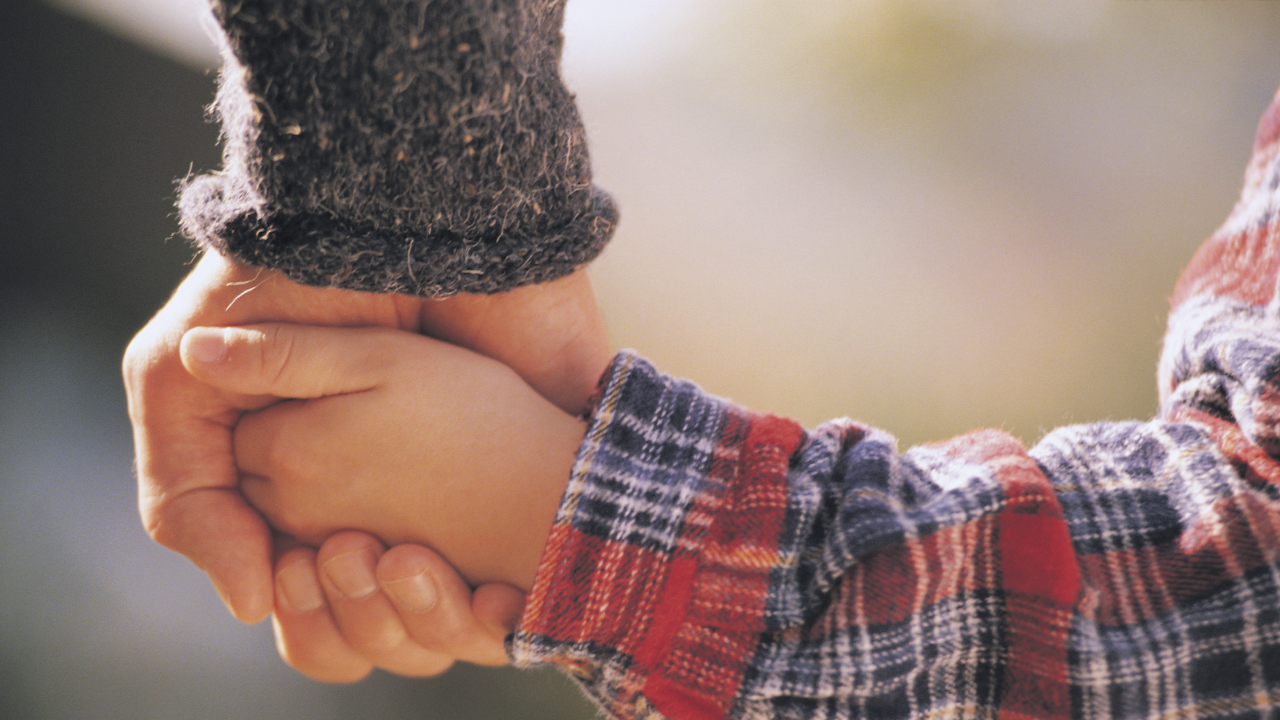
Rachel Botsman defines trust as "confident engagement with the unknown." Not certainty. Not a guarantee. Not the absence of risk. Confident engagement, a choice made in full awareness that the outcome cannot be controlled. In a life organized around managing risk, that definition lands differently than it might anywhere else. Because if trust was never about certainty to begin with, then almost everything we think we know about trust in the food allergy context needs to be reconsidered.
When We Say We've Lost Trust
Something goes wrong. A restaurant that assured you it was safe wasn't. A family member forgot, again. A caregiver made a mistake that could have been serious. And we say: I can't trust them anymore. But here's the reframe that matters: a bad outcome is not automatically evidence that trust was misplaced. Trust was never a guarantee of safety, it was a reasonable assessment, made with available information, that engagement was worth the risk. When something goes wrong, the question worth asking isn't "how could I have trusted them" but "what does this tell me about what needs to change." That distinction is not about excusing carelessness or minimizing what happened. It's about separating the outcome from the judgment, so that one bad experience doesn't collapse your entire capacity to trust, and so that rebuilding feels possible rather than naive.
Relational Trust: Who Gets Access and Why
Trusting someone with a food allergy, your own or your child's, is not a small thing. It requires them to understand the stakes, take them seriously, and act accordingly even when you're not in the room. That's a significant ask. And calibrating who meets that bar is genuinely complex.
What trust-building actually looks like in this context isn't blind faith. It's evidence gathered over time: how someone responds when you explain the allergy, whether they ask follow-up questions, how they handle it when they're not sure. It's track record; not perfection but consistency and care. And it's communication: the willingness to say "I'm not sure about this" rather than guess.
Trust is built in small moments long before it's tested in high-stakes ones. Which means the work of building it is quieter and more gradual than we often recognize, and more deliberate than it looks. When trust is broken, rebuilding it requires something from both people. The person who made the mistake needs to demonstrate understanding of what went wrong and genuine commitment to doing differently. And the person whose trust was broken needs to be willing to make the leap again. Not immediately, not without evidence, but eventually. Because a life in which one rupture permanently closes the door is a very narrow life.
Internal Trust: The Harder Work
Relational trust is complicated. Internal trust, trusting yourself, is often harder. A reaction, a near-miss, a moment where your judgment felt wrong can shake something fundamental. You start second-guessing your read of situations. You wonder if you're being too cautious or not cautious enough. The very instincts that have kept you or your child safe start to feel unreliable.
This erosion of self-trust is one of the least-discussed consequences of food allergy life, and one of the most significant. Because, ultimately, navigating this life well depends on your ability to trust your own assessment — of a restaurant, a situation, a person, a moment. When that trust falters, everything feels harder.
Rebuilding it looks like paying attention to the times your judgment was right, which is most of the time. It looks like distinguishing between genuine warning signals and anxiety masquerading as instinct. And it looks like developing what might be called response confidence: not the belief that nothing will go wrong, but the belief that if something does you will be able to handle it. That confidence changes everything about how you move through the world.
What Trustworthiness Actually Looks Like
If certainty isn't the measure of trust, what is? A few markers worth paying attention to:
How someone responds to information. Do they take it seriously? Do they ask questions? Do they treat your concern as reasonable rather than excessive? First responses tell you a lot.
Consistency over time. Trust is built through repeated small demonstrations, not single grand gestures. Someone who gets it right once and then forgets is different from someone who gets it right reliably.
Willingness to say they don't know. The people most worth trusting in high-stakes situations are often the ones who are honest about the limits of their knowledge rather than confident beyond what the situation warrants.
How they handle mistakes. Everyone makes mistakes. What matters is whether they take responsibility, understand the impact, and commit to doing differently. That sequence — acknowledgment, understanding, repair — is what makes rebuilding possible.
The Leap
At some point, trust requires a leap. Not a blind one, not in the absence of evidence, or in defiance of your own instincts. But a leap nonetheless. A moment where you have gathered what information you can, made the most reasonable assessment available to you, and chosen to engage. That leap is not naivety. It is not recklessness. It is the thing that makes a full life possible, for you and for the child you are raising to eventually take those leaps themselves.
Trust was never about certainty. It was always about choosing confident engagement in the presence of the unknown. In a life with food allergies, that choice is made over and over again: in restaurants and other people's kitchens, in the decision to accept a dinner invitation or try somewhere new, in the slow brave work of letting your child carry more of this themselves, in the moment you decide to trust your own read of a situation even when anxiety is loudest.
Whether you are managing this in your own body or carrying it on behalf of someone you love, that choice doesn't get easier so much as it becomes more practiced. You've been doing it longer than you realize and you'll keep doing it. Which is its own kind of trust.