When Vigilance Becomes a Vice Grip
Control is what the nervous system reaches for when it can’t have certainty. In the context of food allergies, that’s almost always. Which means for a lot of people in this community, control has become less of a strategy and more of a way of life.
The problem is that control doesn’t feel like fear. It feels like competence. It feels like being the person who thought of everything, who never gets caught off guard, who keeps everyone safe. That’s what makes it so hard to see when it’s stopped working.
How Reasonable Becomes Rigid
It starts as a completely rational response. When you live with the possibility of a life-threatening reaction, or parent with a child who does, controlling your environment isn’t neurotic. It’s necessary. You learn which restaurants are safe, which aren’t. You establish rules. You create systems. You get good at anticipating risk before it arrives.
But nervous systems are not always good at knowing when enough is enough. When vigilance has been protective for long enough, it tends to expand. The careful restaurant vetting becomes an inability to eat anywhere unfamiliar. The reasonable rules become non-negotiable requirements that others can’t always meet. The protection of a child becomes a grip so tight it starts to shape what they believe they’re capable of. None of this happens because something is wrong with you. It happens because your nervous system learned that control works, and kept reaching for more of it.
The Three Places Control Takes Hold
Control in the food allergy context tends to show up in three overlapping places, and recognizing them is the first step toward doing something different.
The environment. Restaurants, other people’s homes, travel, celebrations, any situation where you can’t fully manage what’s on the table. The urge to avoid unfamiliar places, to eat only where you’ve already established safety, to decline invitations that feel uncertain. This kind of control offers relief in the short term and shrinks your world in the long term.
Other people. Partners, family members, teachers, caregivers, anyone who handles food near someone with an allergy. The impulse to redo what someone else has already done, to over-instruct, to find it almost impossible to delegate. Relationships can quietly absorb a lot of strain here, especially when the other person experiences careful oversight as a lack of trust.
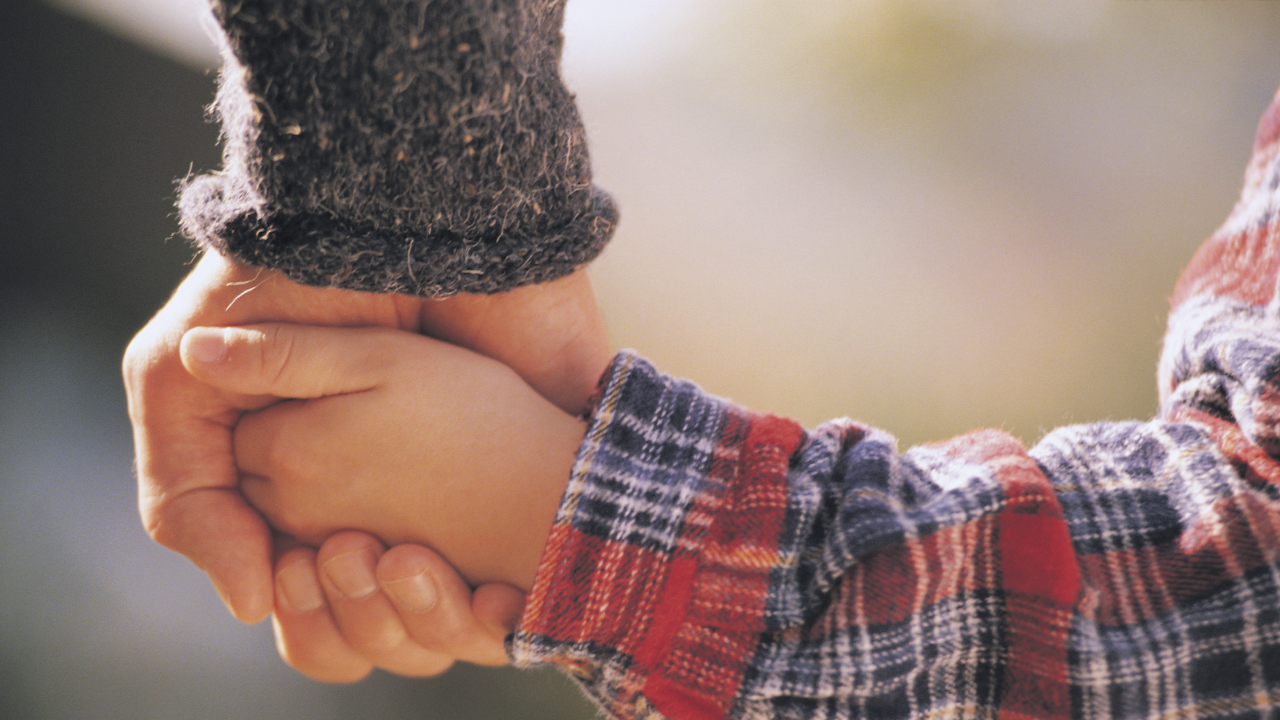
The child. For parents, this is often the most emotionally complex dimension. The natural, loving impulse to protect can gradually become overprotection: limiting experiences, hovering, making decisions the child is ready to make for themselves. The cost isn’t just to the parent’s own anxiety. It shapes the child’s relationship with their own allergy: their confidence, their sense of competence, their ability to eventually advocate for themselves.
What Control Is Actually Costing You
Here is the reframe that matters most: control creates the feeling of safety. It does not always create safety itself.
A reaction can happen in the most controlled environment you’ve ever created. And a full, connected, manageable life can be lived with far less control than you’re currently exerting. The research on anxiety is consistent on this point: avoidance and over-control maintain fear rather than resolve it. The more we manage around uncertainty, the more intolerable uncertainty becomes.
Acceptance and Commitment Therapy asks a useful question here: what is the cost of this pattern? What experiences, relationships, or moments of ordinary life are being foreclosed by the grip? Not to induce guilt, but to make the trade-off visible. Because most people in this community are not choosing rigidity over freedom. They’re choosing what feels like the only available form of safety, without fully seeing what it’s asking them to give up.
Loosening the Grip, Carefully
Loosening the grip is not the same as letting go. It is not about becoming cavalier with risk or pretending the stakes aren’t real. It’s about building a more calibrated relationship with uncertainty, one that allows for safety and for life at the same time.
Start with the smallest unit of uncertainty you can tolerate. Exposure-based approaches work precisely because they are gradual. You don’t go from avoiding all unfamiliar restaurants to eating anywhere. You find the next manageable step - a restaurant you haven’t tried but have researched, a caregiver you’ve trained but haven’t yet fully trusted - and you let that experience build evidence.
Let other people be competent. This is genuinely hard when the stakes feel this high. But part of what over-control does is prevent other people from developing the competence you need them to have. Delegation, with clear communication and reasonable expectations, builds the distributed safety net that actually makes life more manageable, not less.
For parents: follow the child’s lead on readiness. Children with food allergies are often more capable than their parents’ anxiety allows them to demonstrate. Gradually expanding their autonomy, letting them advocate for themselves in low-stakes situations or make age-appropriate decisions about their own safety, builds the self-trust they will need for the rest of their lives.
Notice what the control is protecting you from feeling. Underneath most controlling behavior is an emotion that feels intolerable, usually fear, sometimes grief, sometimes helplessness. The control is doing the work of keeping that feeling at bay. When you start to loosen the grip, the feeling tends to surface. That’s not a sign you’re doing it wrong. It’s a sign you’re getting somewhere real.
A More Sophisticated Form of Safe
The vigilance that brought you here - the planning, the systems, the refusal to be caught off guard - was never the problem. It kept people safe. It still does. But there is a version of safety that is more flexible, more sustainable, and more honest about what can actually be controlled, and what never could be.
Loosening the grip is not a failure of protection. It is what protection looks like when it has matured and when it has learned to live alongside uncertainty rather than wage a daily war against it. You don’t have to hold everything so tightly to keep the people you love safe. And you don’t have to hold everything so tightly to keep yourself safe either. There is room, in this life, for both caution and freedom.